Wnioski z panelu Koalicji podczas Forum
 KOMM
KOMM Після завершення Економічного форуму ми залишаємо вас з питанням, на яких аспектах міграційної політики (наприклад, захист іноземців, візова політика, охорона кордонів, рееміграція, трудова міграція) та політики інтеграції можливий політичний консенсус?
Як Коаліція організацій меншин та мігрантів (KOMM), ми запросили представників регіональної адміністрації Нижньої Сілезії, міста Вроцлав та неурядових національних організацій “Український дім”, “Народний дім”, Об’єднання польських караїмів та міжнародного представництва UNHCR (United Nations High Commissioner for Refugees) у Польщі до спільної дискусії про багаторівневе управління інтеграційною політикою.
Станом на 24 лютого 2022 року польсько-український кордон перетнуло 9,38 мільйона громадян України – 7,54 мільйона осіб повернулися в Україну. Тільки у Вроцлаві кількість громадян України оцінюється приблизно в 180 000 осіб, з яких 80 000 – це ті, хто прибув до Вроцлава після 24.02.2022. Водночас у Вроцлаві проживають громадяни зі 120 країн світу, а впродовж багатьох років Нижню Сілезію також населяють лемки, караїми, татари, греки та інші меншини.
- Під час дискусії Mariola Abkowicz зазначила, що представники національних та етнічних меншин, які традиційно проживають у Польщі, відчувають себе обділеними увагою з боку осіб, які приймають рішення, в умовах кризи біженців. Учасники дискусії підкреслили, що міграційна політика повинна враховувати потреби та перспективи як національних меншин, так і мігрантів.
- Ми обговорили досягнення та результати дій, вжитих на різних рівнях управління з Кшиштоф Май (правління Нижньосілезького воєводства) та Бартомєй Чонжинський – (заступник мера Вроцлава) щодо соціально-економічної інтеграції громадян третіх країн, роль та інструменти міжнародних організацій, таких як UNHCR, UNICEF в Польщі у процесі “переговорів з місцевими органами влади” щодо місцевої інтеграційної політики, а також виклики та потреби організацій національних меншин та мігрантів. Незважаючи на створення місцевих інтеграційних стратегій у містах і регіонах, їхня ефективність є різною. Інклюзивна міграційна політика на національному рівні необхідна для підтримки програм і стратегій, що реалізуються на регіональному та місцевому рівнях.
- Астрід Костеляйн з офісу UNHCR у Кракові зазначила, що для досягнення довгострокових результатів, інтеграційну політику необхідно будувати за участю всіх зацікавлених сторін, враховуючи питання ідентичності та збалансовуючи різноманітність.
- І… фінансові ресурси є необхідні – цю точку зору підтримали всі учасники дискусії.
Інтеграційна політика потребує фінансових витрат, але це вклад у майбутнє та її формування.
Наразі в Польщі проживає 463 000 українських дітей, з яких лише 170 000 відвідують польські школи! Більшість з них, які залишаються поза польською системою освіти, продовжують навчання онлайн в Україні. Більшість біженців, які прибули після 24.02.2023, заявляють про бажання повернутися на батьківщину, але важко передбачити, як довго може тривати збройний конфлікт. Тож особливим викликом на найближче майбутнє стане турбота про добробут українських дітей, які залишаються в системі дистанційної освіти.
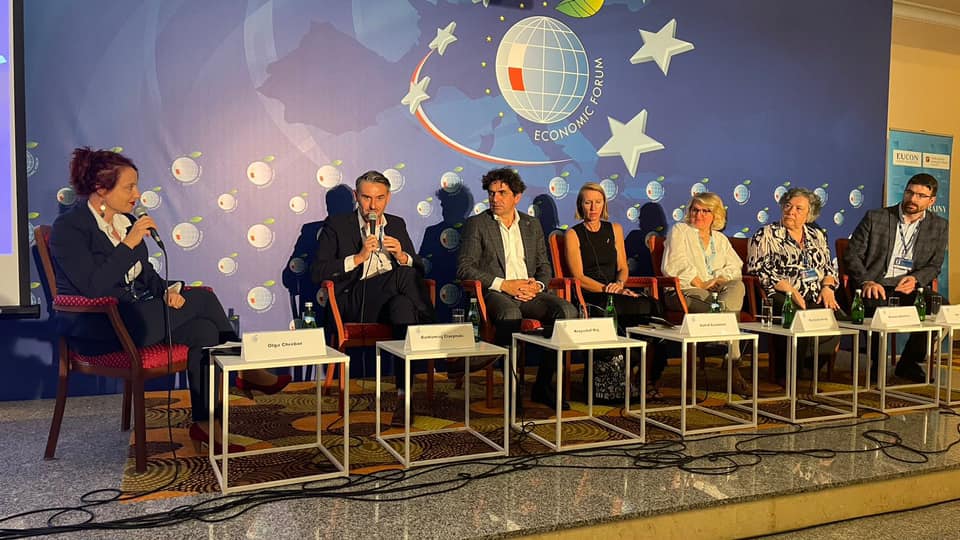
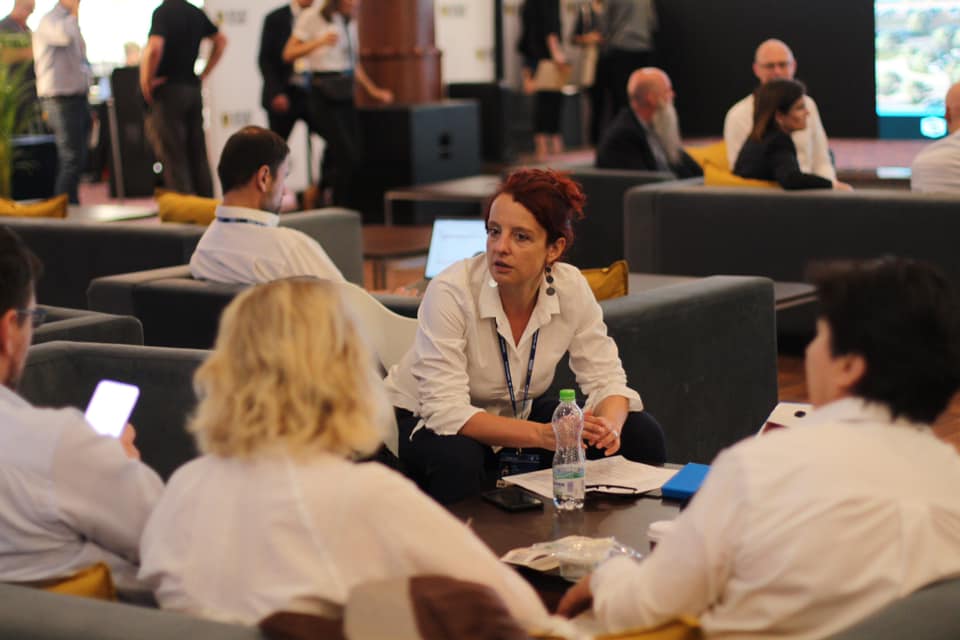
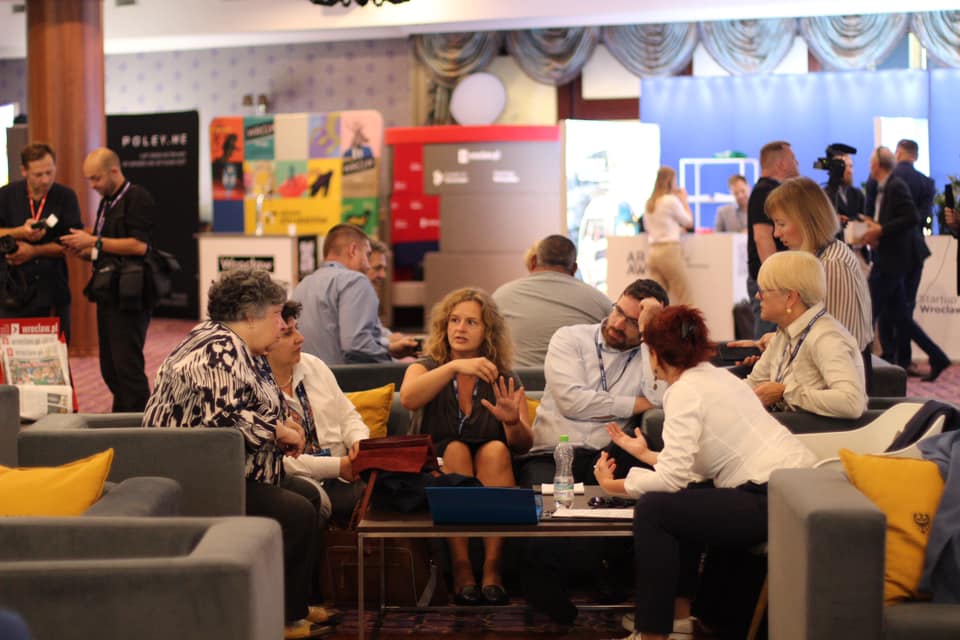
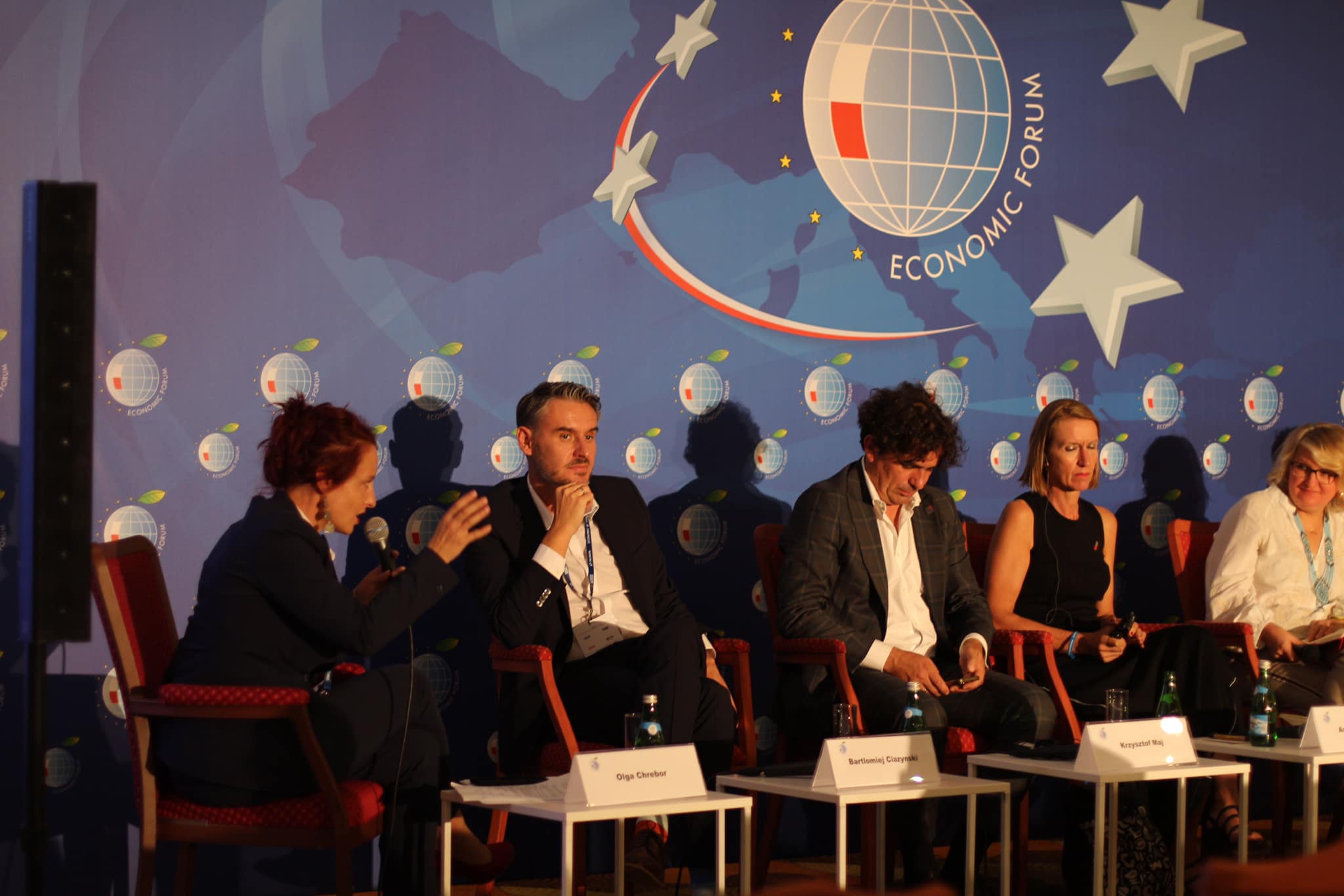
Минулого року після Економічного форуму Президент повернувся з глибоким переконанням, що нас, представників неурядових організацій, було занадто мало на заході. Цього року ми вирішили додати до програми неурядовий та міжнародний внесок і разом з Коаліцією організацій меншин та мігрантів організували дебати “Багаторівневе управління інтеграційною політикою – біженці, мігранти, національні та етнічні меншини в Польщі”.
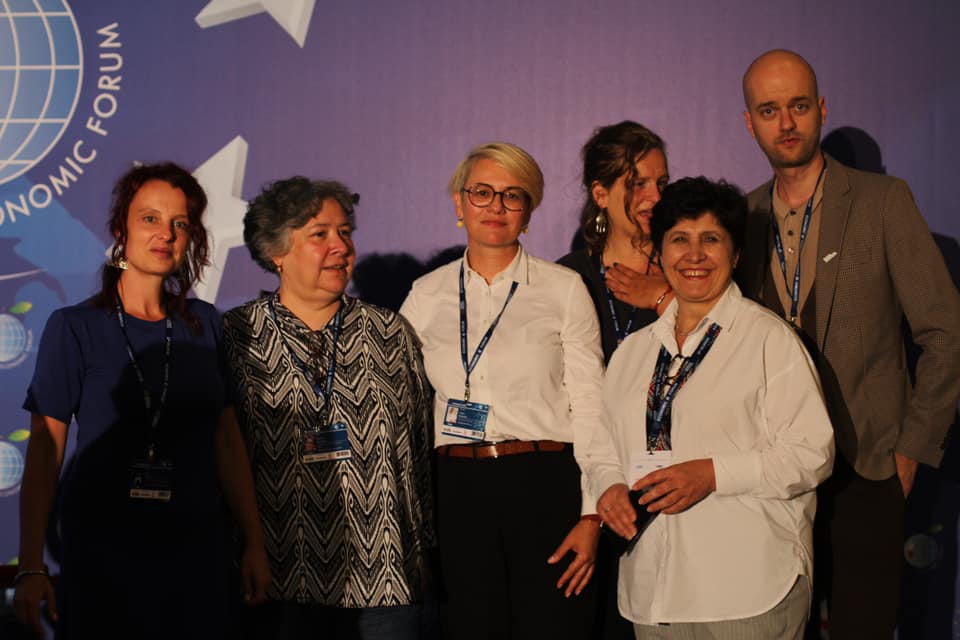
У дискусії взяли участь:
Кшиштоф Май – Правління Нижньосілезького воєводства
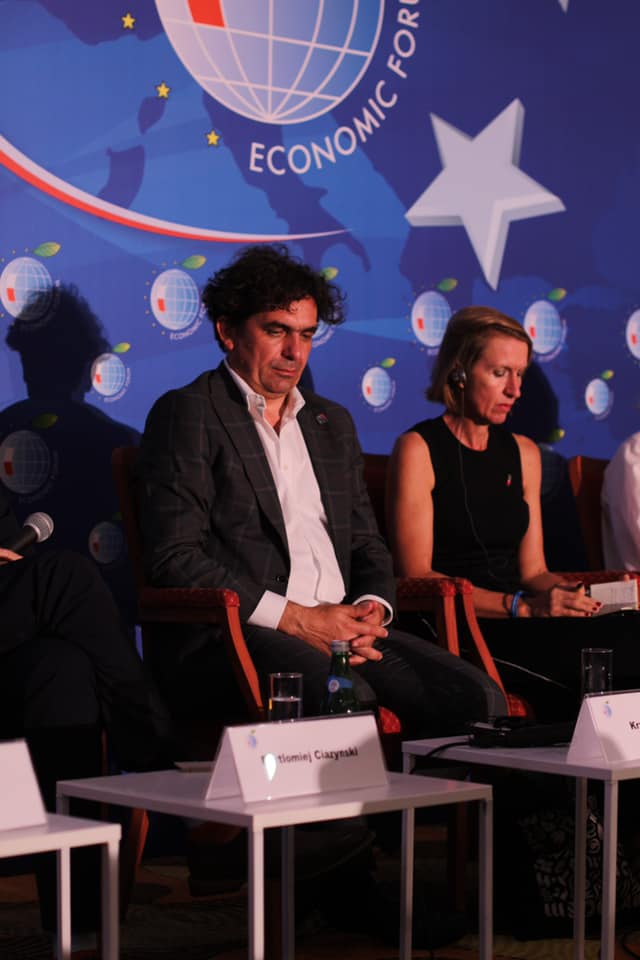
Бартомєй Чонжинський – заступник мера
Вроцлава, віце-президент Європейської коаліції проти расизму (ECCAR).
Астрід Костеляйн – Голова офісу Управління Верховного комісара у справах біженців (UNHCR) у Кракові.
Мирослава Керик – Голова правління Українського дому у Варшаві, Коаліція організацій національних меншин та мігрантів (КОММ).
Ігор Горків – Голова правління Перемишльського відділу Об’єднання українців у Польщі, “Народний дім” / “Український дім”, Коаліція організацій меншин та мігрантів (KOMM).
Маріола Абкович – Голова правління Об’єднання польських караїмів, член Спільної комісії уряду та національних і етнічних меншин, Коаліція організацій меншин і мігрантів (KOMM).
Модератор: Ольга Хребор Уповноважена мера Вроцлава у справах мешканців українського походження, президент Фундації “Калейдоскоп культур”, директор Департаменту культури Нижньосілезького маршалківського управління, Коаліція організацій меншин та мігрантів (KOMM).
Панель була реалізована за підтримки Національного демократичного інституту.
KOMM утворена: Український дім у Варшаві / Фундація Зустріч / Калейдоскоп культур / Український народний дім у Перемишлі